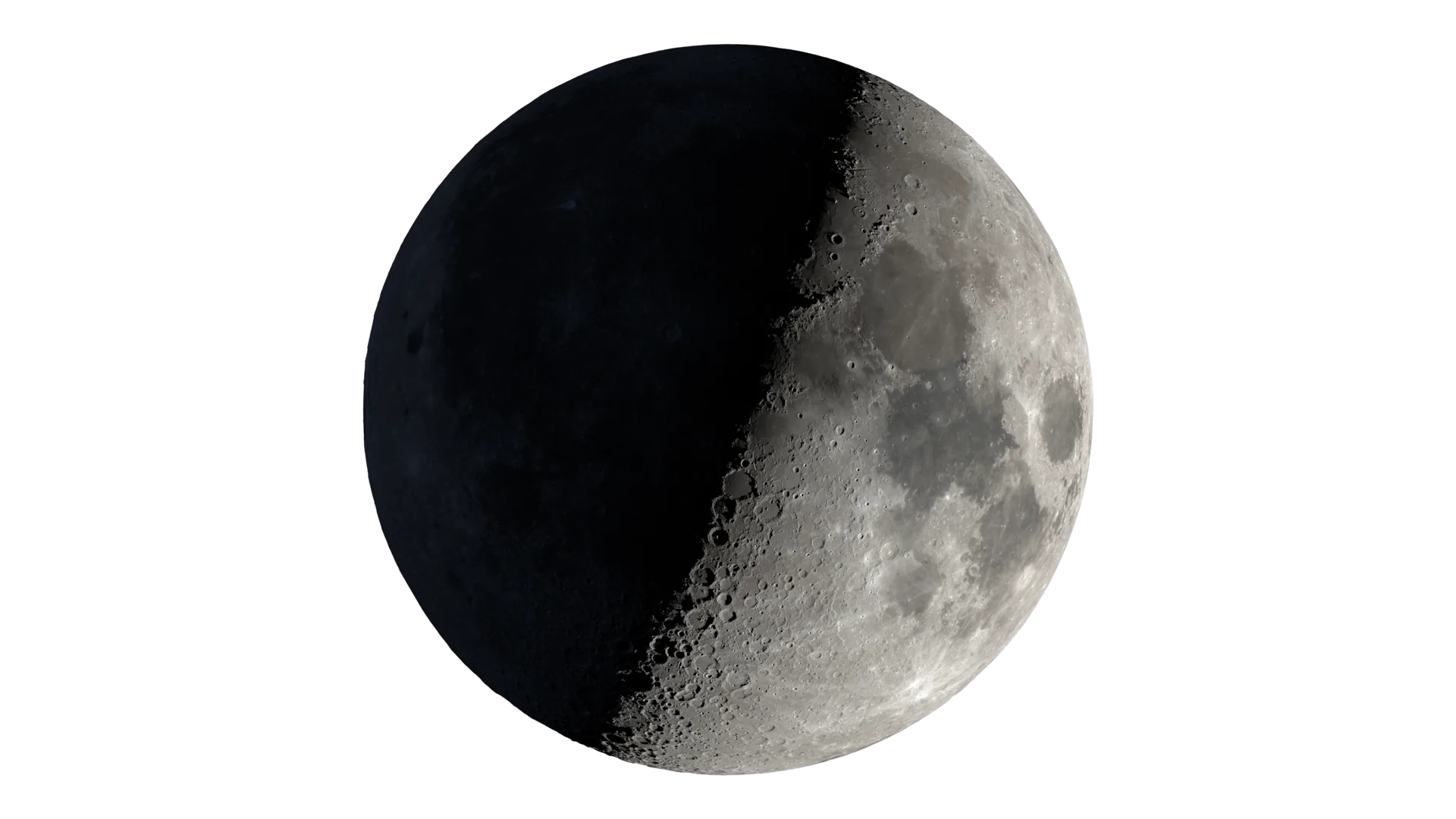
During a total eclipse, the Moon slides precisely across the Sun and erases daylight. For a few breathless minutes, day tilts toward night. The air cools quickly. Birds fall silent. Shadows sharpen and multiply. The world’s color drains a shade. Even in our scientific age, standing inside the Moon’s narrow shadow can inspire a primal awe.
For our ancestors, this sudden darkness was a fearsome sight. The Sun, source of life, swallowed by a shadow. In China, drums thundered to scare off the dragon devouring the Sun. Norse storytellers blamed ravenous wolves. The ancient Greeks saw it as a sign of divine anger. Across cultures, eclipses foretold the deaths of kings, the fall of empires, or the judgment of gods. Astronomy itself began with attempts to foresee the coming darkness, and blunt its worrisome power.
Among all the planets and hundreds of moons in our solar system, only Earth is graced with perfectly aligned eclipses. It’s a staggering coincidence: the Sun is about 400 times wider than the Moon, and about 400 times farther away. That near-perfect match reveals what daylight hides: when the Sun’s glare is blocked, the hidden corona appears—a pale, streaming crown we almost never see. Scientists have used these brief windows to do real work. In 1919, during totality, astronomers measured starlight bending around the Sun and confirmed Einstein’s general relativity. A few minutes of night remade our understanding of gravity.
You might expect an eclipse every month, given the clockwork dance of Sun, Earth, and Moon. But the Moon’s orbit is tilted about five degrees from Earth’s path, so most months its shadow misses us—skimming a little high or a little low. So total eclipses are relatively uncommon. For any one spot on Earth, centuries can pass between visits. The continental U.S. won’t see one again until August 23, 2044—a narrow track through the northern plains—and then a far wider sweep across the country on August 12, 2045. Mark your calendar, I’ll see you there.
Today, we can predict eclipses to the second—reason has tamed what once felt random. But knowing the clockwork hasn’t dulled the wonder. When the Moon covers the Sun and the world holds its breath, you can feel it: the cosmic thrill of being in exactly the right place at precisely the right time.