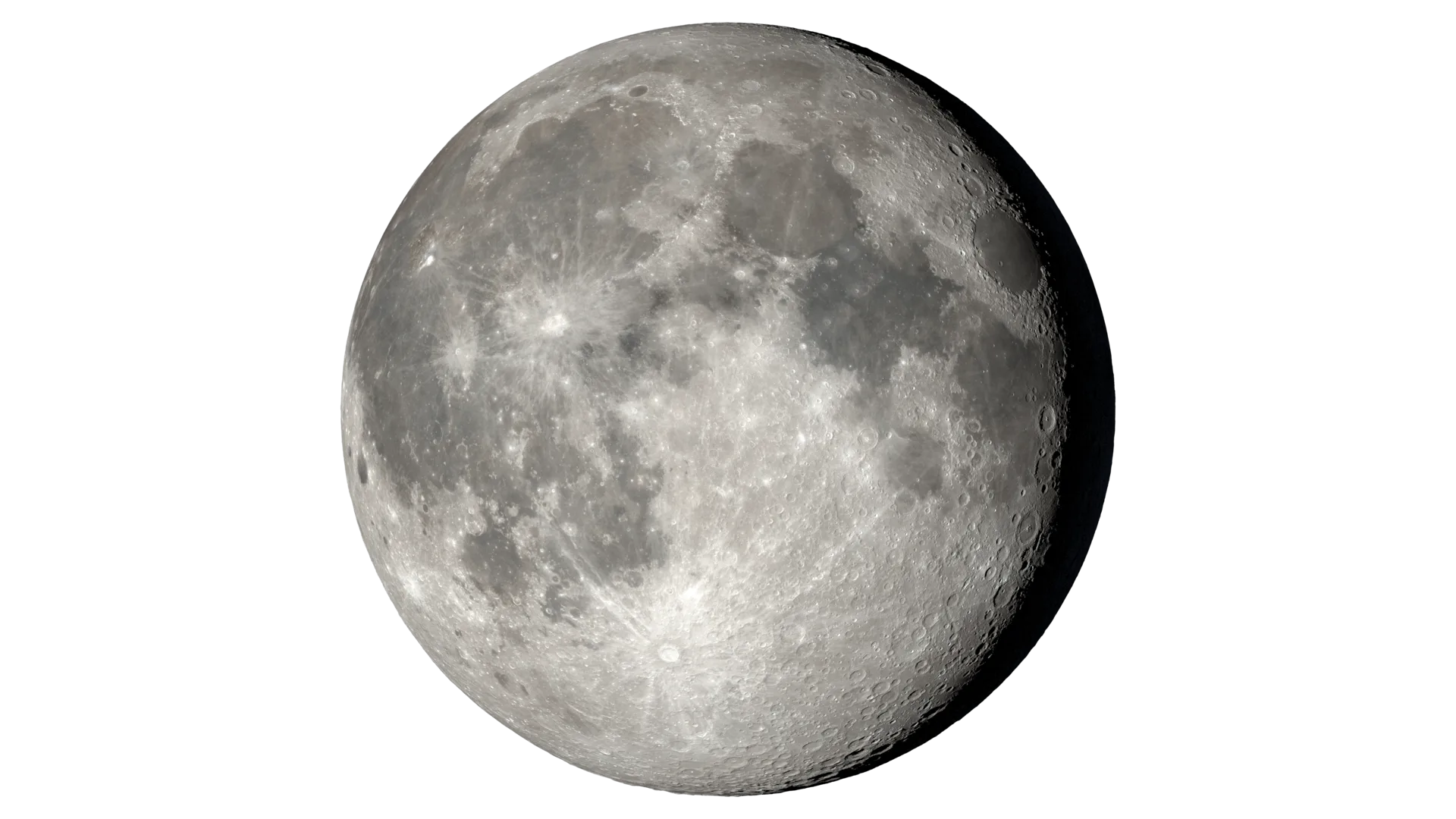
Blame it on the Moon. For centuries, when reason failed, people looked up and found their culprit glowing in the night sky. The word lunacy itself is a fossil of this belief—Luna, the Roman moon goddess, forever linked to madness and mystery.
Ancient doctors and poets alike claimed the Moon could unhinge the mind. Its phases, they said, tugged at our moods just as they pulled at the tides. Insomnia, fever, wild outbursts—these bore the Moon’s fingerprints, especially when it was full and bright. Pliny the Elder believed the Moon’s moisture could seep into the brain. Aristotle claimed it disturbed sleep. In medieval Europe, hospitals braced for trouble on moonlit nights, and English common law even allowed for a lesser sentence if a crime was committed under its influence.
The belief seeped into every corner of culture. Police logs swelled with reports of violence and delirium. Folklore grew thick with tales of werewolves, witches, and spirits who prowled when the Moon was high. To some, the full Moon lit the boundary between reason and madness—a swollen eye in the sky, watching, stirring, pulling reason loose.
Science, of course, has tried to break the spell. Large-scale studies find no reliable link between lunar phases and spikes in madness, crime, or chaos. And yet—ask a nurse, a teacher, a cop. Many will swear the full Moon still stirs something strange, something restless, in the world.
The science is settled. The language isn’t. We still say lunacy, still call someone moonstruck, still reach for loony when reason deserts us. The Moon may no longer rule our explanations of sleep or madness, but it never quite lost its grip on our vocabulary.