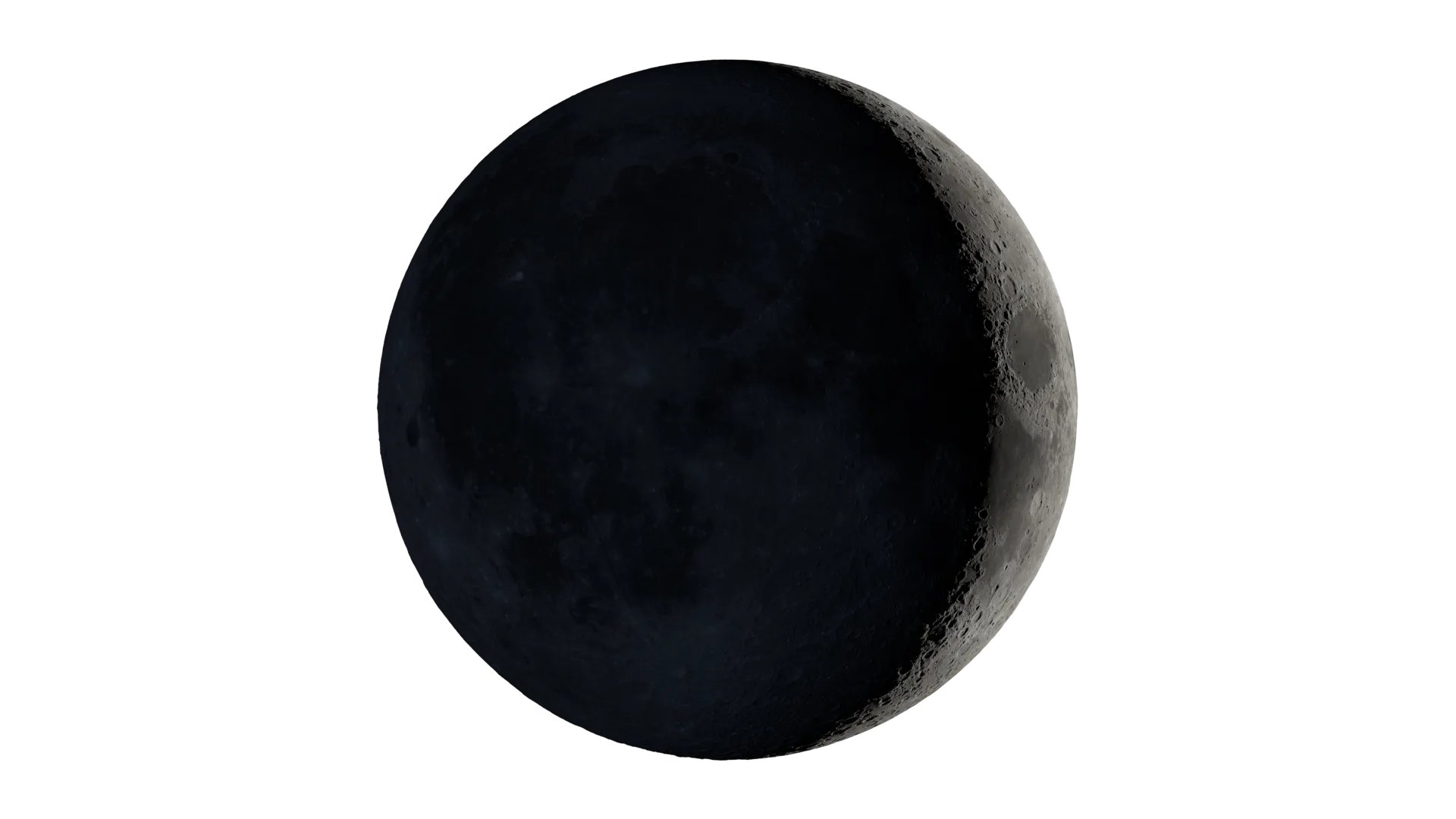
Long before coral spawned or flowers bloomed, the Moon was already shaping life. Its gravity stirred Earth’s early oceans, driving tides that rose and fell like breath. Along shallow ancient shorelines, where sunlight met seawater, tidepools formed. Water advanced and retreated, pooling and evaporating, concentrating and diluting. These were warm, fleeting laboratories where chemistry had room to experiment. Molecules collided, bonded, and began to organize. Some scientists believe life’s spark may have kindled in these tide-governed basins. Chemistry became biology. The Moon didn’t just light Earth’s nights. It rocked the cradle.
That rhythm never stopped.
In today’s oceans, coral reefs still move to a lunar beat. On just a few nights each year, often shortly after a full Moon, entire reef systems erupt in synchrony. Corals release clouds of eggs and sperm at once, turning the sea briefly milky with life. This mass spawning, coordinated across vast distances, dramatically increases the odds of fertilization. Corals cue on a combination of signals—seasonal temperature, tidal timing, and moonlight—an inherited sensitivity refined over millions of years. The choreography is precise, repeatable, and global: one of the clearest examples of lunar timing written into living systems.
Along rocky shores and tidal flats, the pattern runs deeper still. Many marine animals keep time not by day or night, but by the sea itself. Crabs, worms, mollusks, and fish operate on circatidal clocks aligned to the Moon’s pull, emerging, feeding, and spawning on a roughly 12.4-hour rhythm. These cycles persist even in laboratory conditions, without changing light, evidence of internal clocks tuned to gravity and water movement rather than sunrise or sunset. For life at the edge of land and sea, anticipating the tide can matter more than anticipating dawn.
Humans, too, carry the imprint. The words moon, month, menses, and menstruation share ancient roots—an early recognition of overlapping cycles carved into language itself. Across cultures, fertility was mapped onto the sky, with traditions aligning menstruation with different Moon phases. Whether the correspondence runs deeper biologically is still debated, but the cultural echo is unmistakable: for most of human history, a woman’s body and the Moon moved to a similar beat.
Even in sleep, the Moon may make itself known. Studies suggest rest grows lighter and more fragmented around the full Moon—even indoors, far from its glow—an echo of a time when nighttime brightness meant predators or opportunity. Today, artificial light has largely silenced these signals. LEDs wash out the Moon’s glow; climate-controlled interiors override subtler cues. The signals are faint now. But they persist—a reminder that Earthly life evolved not only under the Sun, but beneath a changing night sky.