On the west bank of the Jordan River, in what is now the Palestinian territories, the ruins of Jericho rise from the dust. It is one of humanity’s oldest continuous settlements. People lived here more than ten thousand years ago, long before pottery, long before metal, long before writing, at a moment when humanity was just beginning to settle. While glaciers still gripped much of the northern world, this oasis was already becoming a city.
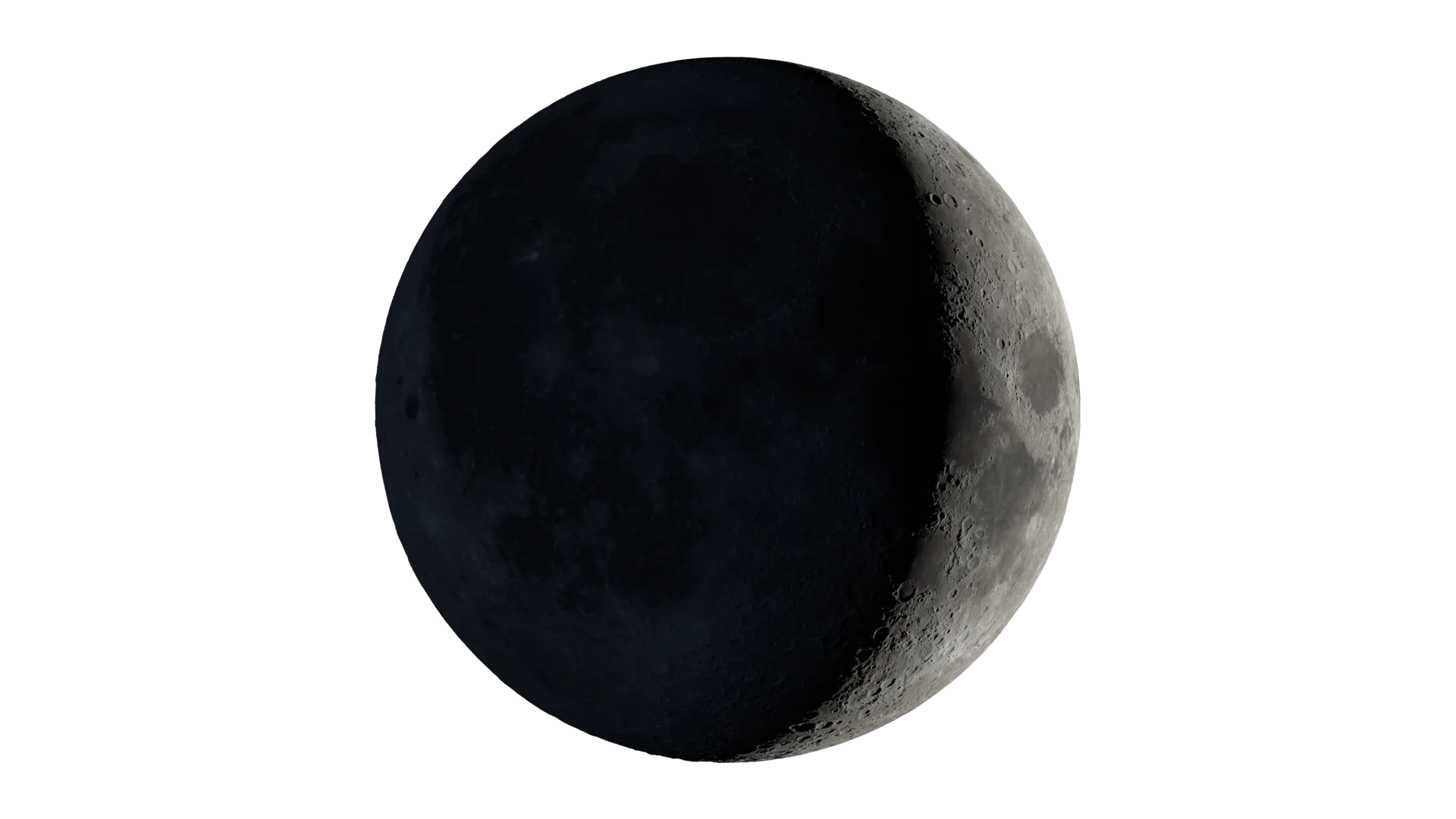
Jericho thrived where few places could. Freshwater springs flowed year-round. Fertile soils rewarded planting. And overhead, the Moon offered the most reliable rhythm anyone knew. The city’s ancient name is often linked to the Semitic word yareach, meaning “Moon,” and across the ancient Levant, lunar cycles governed time itself. That order was practical: lunar calendars regulated planting, storage, debt, travel, and ritual. In a world without clocks or writing, the Moon was a shared reference—visible to all, dependable, public. To count by the Moon was to synchronize life.
Rising above the settlement was a structure unlike anything built before it: the Tower of Jericho. Constructed around 8000 BCE, it stands more than twenty feet high, paired with a massive surrounding wall—what some have called the world’s first skyscraper. Its purpose puzzled archaeologists for decades. It was not simply defensive. More recent analysis suggests something stranger: from the tower’s base, the setting Sun at the summer solstice aligns with a nearby mountain ridge, casting a long shadow across the settlement. Whether solar, lunar, or broadly cosmological, the tower bound land, sky, and community into a single gesture. It may also have been a signal—an announcement to passing nomads that this place endured, that coordination and surplus had taken root here, that there was reason to stay.
In the biblical story of Joshua, Jericho’s walls collapse in a moment of divine drama. Archaeology tells a slower, messier story of destruction and rebuilding across centuries. But symbolically, the tale marks a turning: older rhythms tied to land, light, and cycle gave way to new orders and new calendars. Jericho’s Moon faded from the center of power.
Its deeper legacy remains. Jericho shows us what civilization looked like at the moment it chose permanence—when towers rose not just for defense, but for identity, and when the sky still helped decide where home would be.